From a Windows VB6 Desktop Application to a Modern Web Platform for Packaging Machine Operators
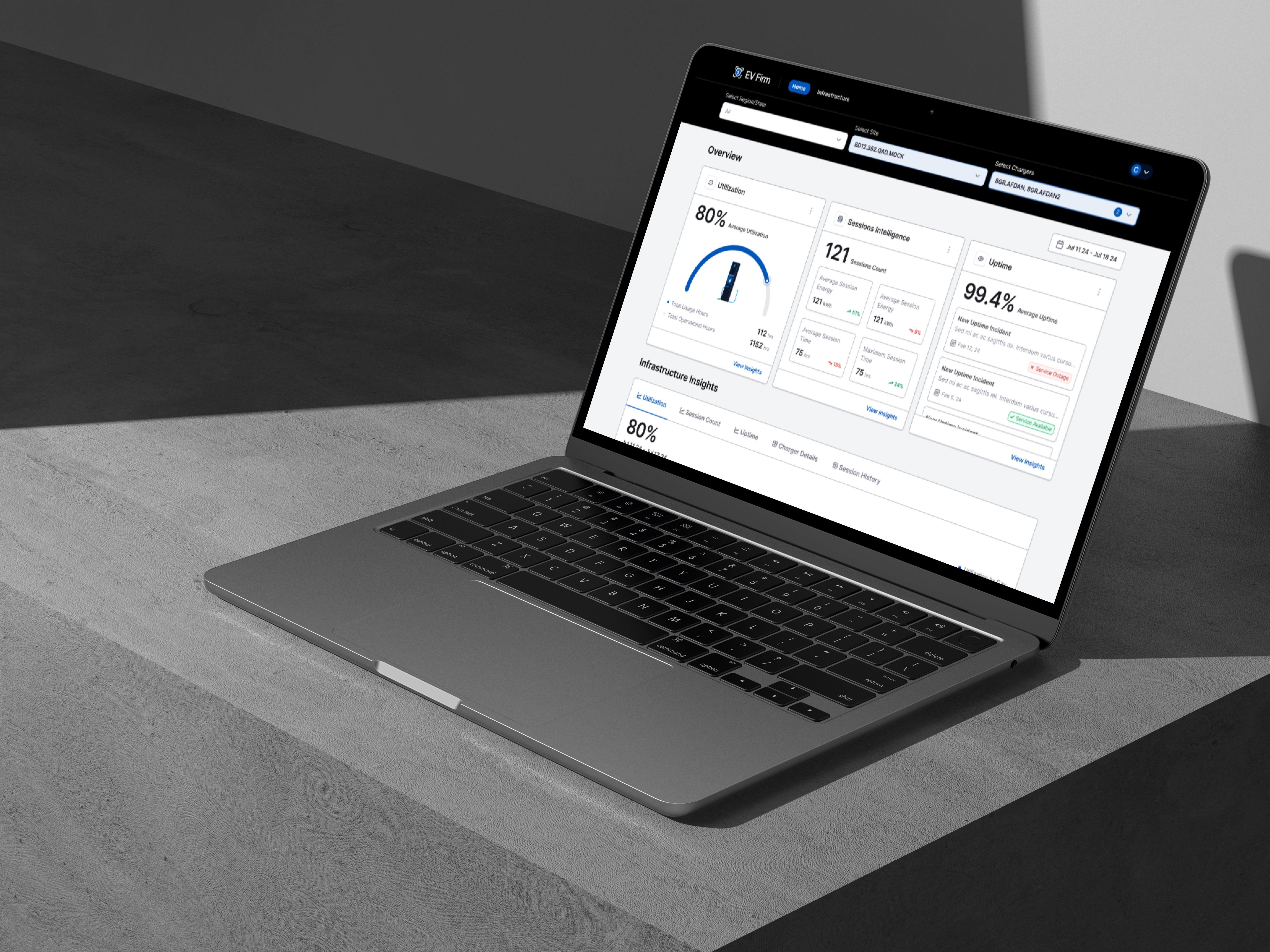
Smart Data replaced ProAmpac's legacy shop floor system with a responsive Angular and .NET Core progressive web application, giving packaging machine operators real-time material and production tracking with drag-and-drop workflow controls.
Client
ProAmpac
Industry
Manufacturing
Timeline
~18-month build, fitted around shop floor change windows
Project Overview
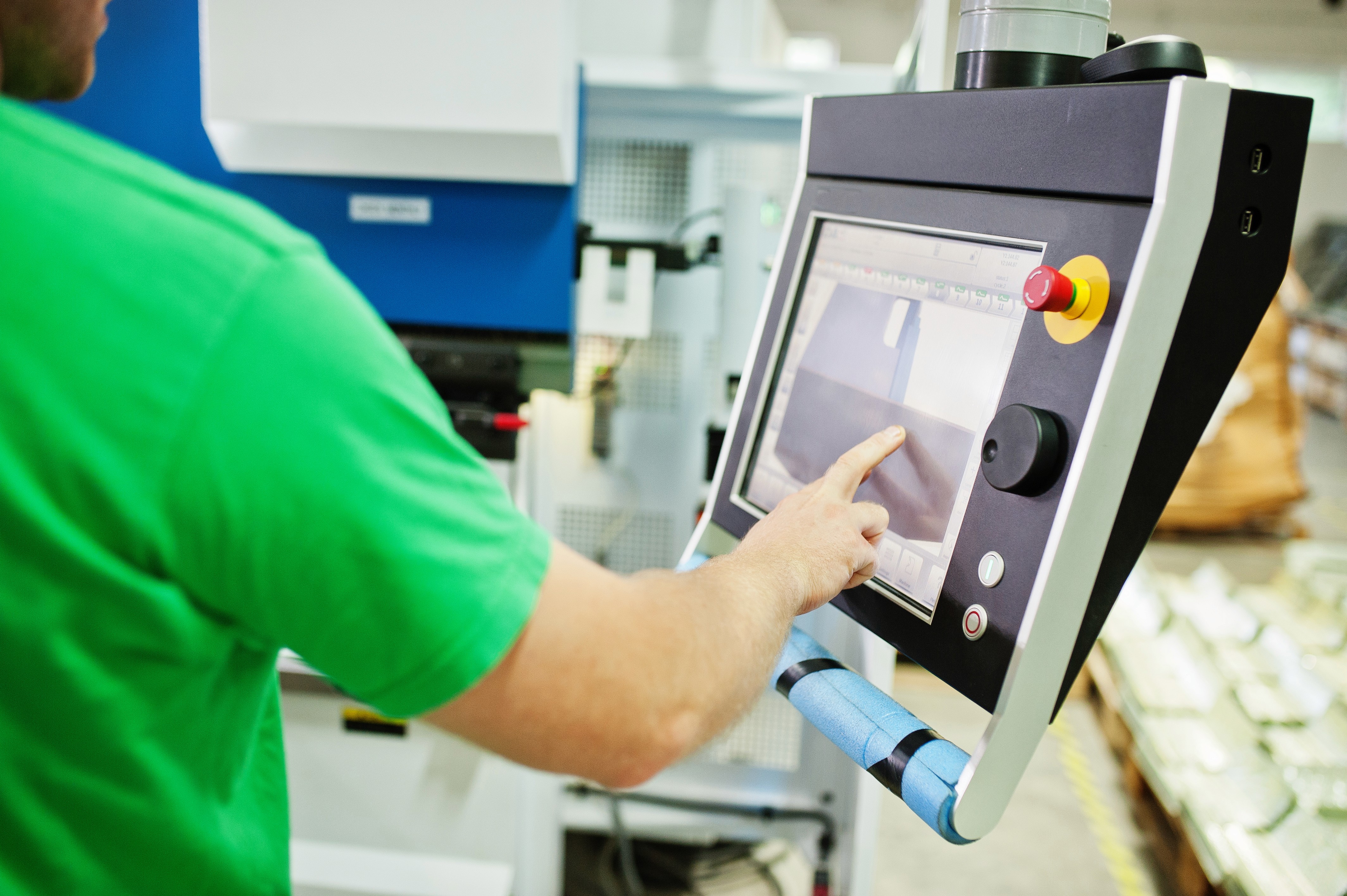
ProAmpac's packaging machine operators were managing materials and production through a Windows VB6 desktop application. The application worked, but it was a Windows-only experience deployed on shop floor terminals, with no path forward as VB6 reached the end of its supported life. Operators needed real-time interaction with materials, work orders, and production state, and the legacy interface couldn't handle the kind of drag-and-drop workflow controls a modern shop floor team expects.
Smart Data built a responsive Angular and .NET Core progressive web application with real-time updates via SignalR, giving operators a fast, modern interface that runs on any browser and any shop floor device.
Project Challenge
The VB6 application had served the shop floor for years, but it was getting harder for operators to live inside. Four problems mattered most:
The legacy Windows VB6 application was Windows-only and locked to specific shop floor terminals with no mobile or tablet path
VB6 had reached end-of-life with no supported upgrade path, creating long-term platform risk
Operators couldn't perform direct-manipulation actions like drag-and-drop work reassignment or material moves
Status updates required manual refreshes; shop floor coordination ran at the speed of polling, not the speed of the work
Context: The replacement had to feel native to the work. Operators don't have time to navigate complex menus, and the interface needed to be built around the actual sequence of actions an operator performs in a shift.
Project Approach
Smart Data partnered with ProAmpac's product owner, internal systems architect (who also wrote .NET code), and dedicated QA. One Smart Data developer doubled as UI/UX designer. The collaboration was tight: design and implementation happened in the same conversations, and the build fitted around ProAmpac's other priorities and shop floor change windows.
Key Implementation Highlights:
Progressive web application architecture so the platform runs on any modern browser and adapts to different shop floor display sizes from a single codebase
Angular front end built around operator workflows, not menu hierarchies
.NET Core service layer on Microsoft Azure
SignalR for real-time updates so when a status changes anywhere in the system, every connected operator sees it immediately without a refresh
Drag-and-drop workflow interactions for moving material, reassigning work, and reorganizing production state with direct manipulation
Granular role-based permissions matching real-world shop floor hierarchies (line operators, floor leads, supervisors)
Single-codebase delivery to desktop terminals, tablets, and other shop floor surfaces with no parallel deployments
Real-time updates via SignalR weren't a nice-to-have. Shop floor work is event-driven; when a machine status changes or a work order moves, every operator looking at that station should see it immediately, not after a refresh.
Project Results
After the platform shipped, four things changed for operators on the floor:
Eliminated the lag from manual refresh cycles by surfacing real-time status updates to every connected operator
Removed long-term platform risk by replacing the unsupported VB6 stack with a modern web architecture
Adapted the interface to whatever device is in front of the operator, from desktop terminals to tablets
Aligned permissions with how the shop floor is actually run, not how the legacy software assumed it would be
The modernization preserved the workflow intelligence the legacy VB6 application captured while making it resilient to the next decade of platform change.
Key Technologies
.NET Core 2.x, Angular, SignalR, and Microsoft Azure.