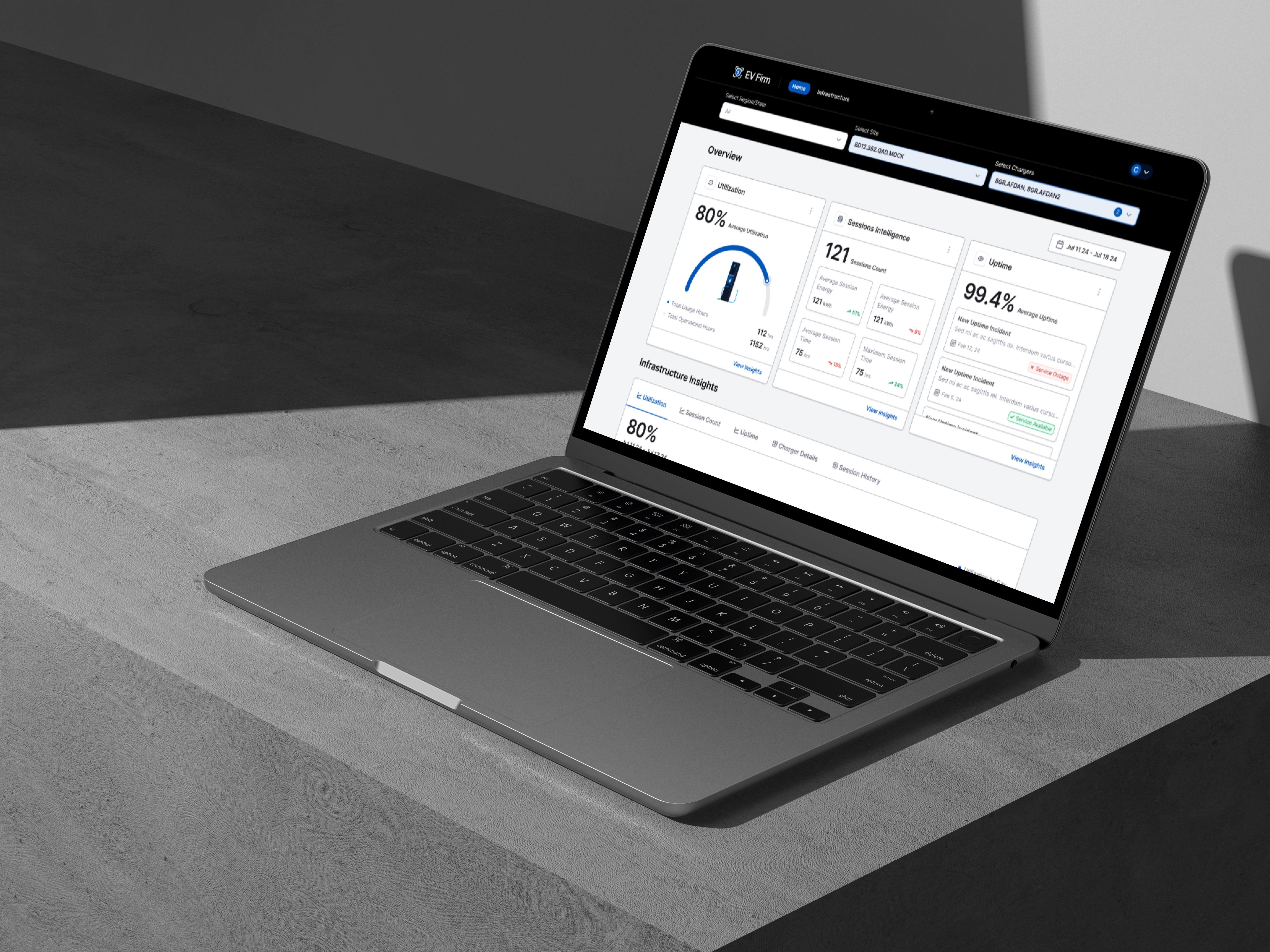
Smart Data built Google's internal sales team a custom LMS tool with direct Google Drive integration, two-way sync to their existing sales enablement platform, and a dynamic tagging engine designed for content owners.
Client
Industry
Technology
Timeline
Multi-year engagement

Project Overview
Google's internal sales department supports a distributed team of reps across multiple product lines. Their sales content of slide decks, product PDFs, talk tracks, demo videos, and external links lived across Google Drive, third-party platforms, and individual reps' folders. New hires couldn't find what they needed. Content owners had no clean way to govern what reps actually saw, and the existing tools didn't talk to each other.
Smart Data built a custom LMS tool that consolidated sales content into one governed surface, with direct Google Drive integration and two-way sync to their existing sales enablement platform.
Project Challenge
The pre-LMS workflow had four core problems holding the sales team back.
Sales assets fragmented across Google Drive, third-party platforms, and individual reps' folders
No unified governance model for content owners to manage what reps could see
Existing tools didn't share data with one another, forcing duplicate uploads and inconsistent metadata
The LMS tool had to feel native to a Google environment: SSO with the user's Google account, full Drive integration, and UI matching Google's design standards
Google needed a single platform that consolidated content, integrated cleanly with their existing systems, and felt native to the way their teams work.
Project Approach
Smart Data partnered directly with Google's product owner, designer, and systems architect. A small senior squad worked alongside Google's stakeholders with no middle layers and rapid feedback cycles.
Key Implementation Highlights:
Google specified the UI in detail; Smart Data implemented to spec while owning the architecture, integrations, and data model
Direct Google Drive integration via the Drive API for in-place file selection and metadata-aware copying
Two-way sync with the third-party sales enablement platform via API for harmonized publishing across both systems
Dynamic tagging engine letting content owners create new categories and tags without engineering involvement
Draft-to-publish workflow with status dashboards and sync-state visibility
Granular role-based access model covering admins, authors, and viewers
Advanced filtering by name, collection, file type, date range, or any combination of tags
In-app help system built to specifications from Google's documentation team
The LMS tool evolved continuously over the engagement as Google's needs changed. New asset types. New tags. New role permissions. New audiences. The architecture was built to flex from day one.
Project Results
The custom LMS tool delivered four operational improvements:
Consolidated a scattered set of tools into one unified surface for sales content
Faster access for sales reps through native Google sign-in and direct Drive integration
Less duplication across systems via two-way sync with the external sales enablement platform
Governance for content owners without engineering tickets for routine tagging or publishing changes
A small senior squad working directly with Google's product owner produced enterprise software that fit cleanly inside an existing environment.
Key Technologies
Python, Flask, React, TypeScript, MySQL, Firebase, Google Cloud Platform, and Google Drive API.